GoHighLevel Email Warmup: Die Realität des Warmups in GHL
GoHighLevel email warmup ist ein Sendelimit-Label, kein automatisiertes email warmup System. Erfahre, was es wirklich tut und was du für die Zustellbarkeit hinzufügen solltest.
Risotto ist führend im Runtime-First Zero Trust mit eBPF-Monitoring, dynamischer Least-Privilege-Durchsetzung und Compliance-Automatisierung.
Risotto ist führend im Runtime-First Zero Trust mit eBPF-Monitoring, dynamischer Least-Privilege-Durchsetzung und Compliance-Automatisierung.
Risotto ist führend im Runtime-First Zero Trust mit eBPF-Monitoring, dynamischer Least-Privilege-Durchsetzung und Compliance-Automatisierung.
Bekommen deine E-Mails die Inbox-Behandlung, die sie verdienen?
Überlasse deine E-Mail-Zustellbarkeit nicht dem Zufall. Führe einen kostenlosen Spam-Test durch und finde heraus, wo genau deine E-Mails landen – bevor es dich etwas kostet.
Spamfilter sind gnadenlos. Besiege sie mit MailReach.
Jede E-Mail im Spam ist eine verschwendete Gelegenheit. Führe jetzt einen kostenlosen Spam-Test durch und finde heraus, was dich davon abhält, in der Inbox zu landen.
Auf der Blacklist? Finde heraus, ob es deiner Deliverability schadet.
Manche Blacklists sind egal – aber einige können deiner Sender-Reputation schaden. Überprüfe jetzt deinen Status und sieh nach, ob es deine Inbox-Platzierung beeinträchtigt.
Deliverability ist das fehlende Puzzleteil deiner E-Mail-Strategie.
Selbst die besten Kampagnen scheitern, wenn sie im Spam landen. Stell sicher, dass deine harte Arbeit auch Ergebnisse bringt. Mach einen kostenlosen Placement Test, um zu sehen, wo deine E-Mails wirklich landen.
Lass dir nicht von simplen E-Mail-Problemen Leads kosten.
Falsch konfigurierte Grundlagen könnten deine Deliverability beeinträchtigen. Teste jetzt dein E-Mail-Setup und stell sicher, dass du inbox-ready bist.
Du hast E-Mails über GoHighLevel versendet und gesehen, dass deine Domain als „warmed up“ markiert wurde, aber deine Metriken sinken immer noch: weniger Antworten, schwächere Öffnungen und Sequenzen, die ins Leere laufen.
Hier ist der Grund dafür.
GoHighLevels email warmup versteht man am besten als Ramp-and-Cap-Warmup, nicht als Engagement-Warmup.
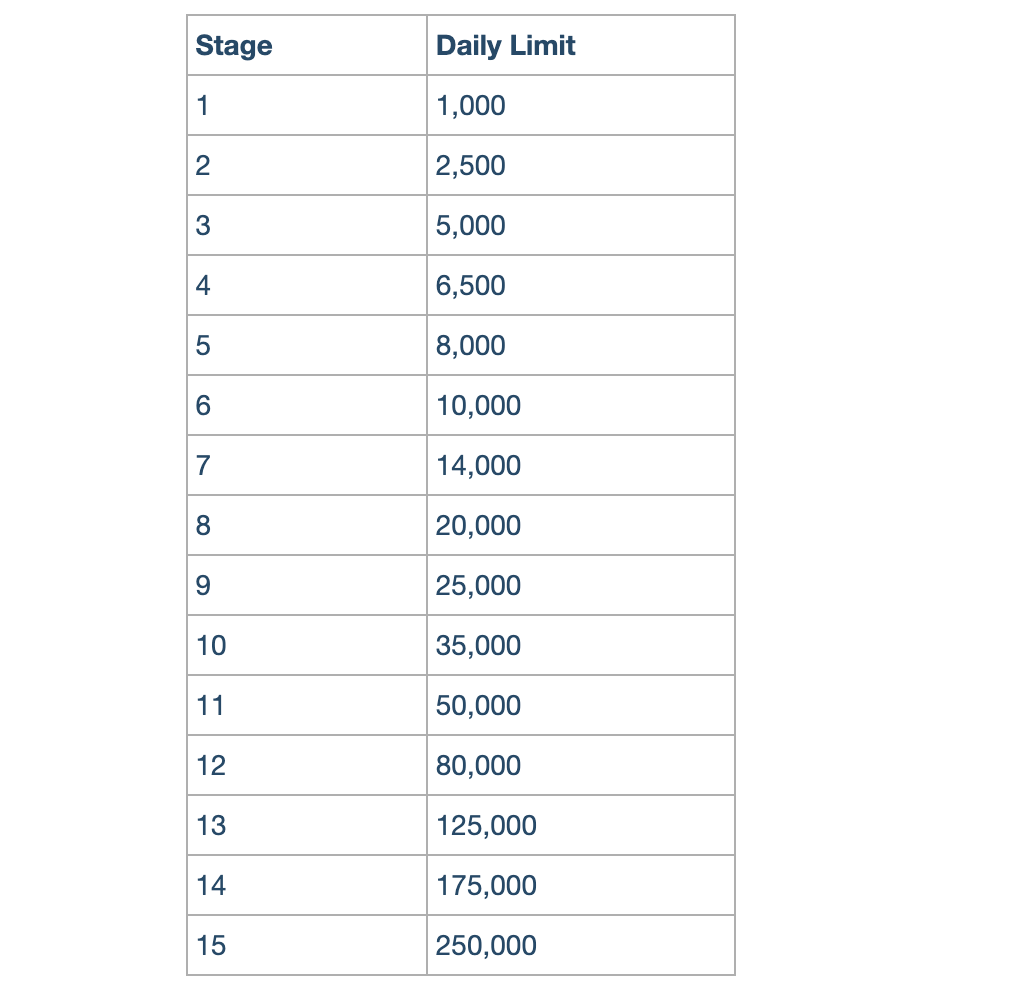
Ihre eigene Dokumentation beschreibt warmup als ein Fixed-Stage-Modell, das steuert, wie schnell eine sendende Domain ihr tägliches Volumen erhöht.
In der Praxis bedeutet das, dass GoHighLevel keine separaten warmup-Sends im Hintergrund durchführt. Das warmup basiert auf den E-Mails, die du bereits über die Plattform versendest, mit Obergrenzen, um plötzliche Spitzen zu verhindern, die eine neue Domain frühzeitig als verdächtig markieren könnten.
Das ist immer noch eine gültige Form von warmup. Es zielt nur auf ein spezifisches Risiko ab: zu schnelles Überversenden.
Teams geraten in Verwirrung, wenn sie annehmen, dass „warmup“ hier auch das abdeckt, worauf sich dedizierte Deliverability-Tools konzentrieren: Vertrauen durch Engagement-Muster aufbauen, die Zustellung im Posteingang überwachen und prüfen, ob die Reputation mit zunehmendem Volumen sinkt.
GoHighLevels warmup ist nicht für diese Ebene gedacht.
Wenn dein Ziel also einfach ist, rücksichtslose Ramp-Fehler zu vermeiden, kann GoHighLevels warmup helfen.
Aber wenn dein Ziel die Cold Outreach Deliverability, eine stabile Inbox-Platzierung, eine Frühwarnung, wenn sich Dinge ändern, und Unterstützung für deine Reputation beim Skalieren ist, brauchst du normalerweise eine spezielle Ebene darunter.
Was GoHighLevel email warmup wirklich tut (und nicht tut)
Zuerst definieren wir, was GoHighLevel wirklich macht.
Wenn warmup für eine spezifische LC Email-Domain aktiviert ist, wendet GoHighLevel eine tägliche Sendebegrenzung an, die an die aktuelle warmup-Phase deiner Domain gebunden ist. Es wärmt nichts im Hintergrund auf. Deine Domain „wärmt“ sich nur in dem Maße auf, wie du echte E-Mails über GoHighLevel mit dieser Domain sendest.
Wenn du an diesem Tag nicht genug sendest, ändert sich nichts. Wenn du die Tagesgrenze erreichst, bist du berechtigt, im Rahmen des Fixed-Stage-Modells weiterzukommen.
Operativ gesehen gibt dir das drei Dinge:
Erzwingt einen langsameren Anstieg, damit neue oder zuvor inaktive Domains nicht plötzlich das Volumen stark erhöhen und Filterung oder Durchsetzung auslösen. Das ist die Kernabsicht.
Gibt dir eine einfache warmup-Steuerung in den Email Services (warmup für die Domain starten/aktivieren).
Hält das warmup eng an deine tatsächliche Versandaktivität gekoppelt. Du „wärmst“ nicht in einer Sandbox auf. Du sendest echte E-Mails, während die Plattform begrenzt, wie aggressiv du täglich skalieren kannst.
Was es nicht tut (und wo es für Cold Outreach versagt)
Die Lücke ist, dass das Dosieren des Volumens nicht dasselbe ist wie das Beweisen von Inbox-Vertrauen, besonders bei B2B Cold Email, wo der Erfolg von Platzierung und Engagement abhängt.
Es beweist nicht die Bereitschaft für Cold Outreach
Weil GoHighLevel keine warmup-E-Mails für dich sendet, schließt es dich nicht an ein warmup-Netzwerk an und es generiert nicht die Engagement-Signale, von denen die Cold Outreach Deliverability tatsächlich abhängt (Öffnungen, Antworten, „kein Spam“, Nachrichten aus dem Spam-Ordner verschieben, als wichtig markieren, Thread-Aktivität).
Eine warmup-Phase, selbst ein „warmup abgeschlossen“-Label, sagt dir also nicht, dass deine Cold-Kampagnen inbox-sicher sind.
Es sagt dir, dass du innerhalb der Volumenbeschränkungen der Plattform geblieben bist, und das ist für B2B Outreach-Teams nicht sehr hilfreich, da die allererste Sendestufe bei 1.000 E-Mails/Tag beginnt, was bereits weit über dem liegt, was ein gesundes Cold Outreach Setup von einer einzelnen Domain an einem Tag senden sollte.
Stufenzahlen sind für den Versand mit hohem Volumen ausgelegt und passen nicht zu B2B Cold Outreach.
Deshalb kann das Label für Nutzer irreführend sein, wenn sie sich der Einschränkungen des GoHighLevel email warmup nicht bewusst sind. Wenn deine Prioritäten eine konsistente Inbox-Platzierung und Antworten sind, benötigst du eine zusätzliche Ebene des Domain-Warmups.
Es gibt dir keine Sichtbarkeit der Inbox-Platzierung oder Frühwarnung
Es kann zeigen, dass E-Mails gesendet wurden, aber es wird dir nicht sagen, wo sie gelandet sind (Primär vs. Promotions vs. Spam), ob die Spam-Platzierung mit der Zeit zunimmt oder ob die Sender-Reputation leise nachlässt.
Und selbst wenn die Zustellung technisch „erfolgreich“ ist, hängt die Performance immer noch von Faktoren ab, die GoHighLevel für dich nicht misst: Listenqualität, Targeting, Nachrichtenrelevanz und ob echte Empfänger interagieren.
Ohne Platzierungs-Sichtbarkeit und eine Feedback-Schleife bleibt dir nur zu raten, ob ein Rückgang der Antworten ein Kampagnenproblem, ein Listenproblem oder ein Deliverability-Problem ist, bis es bereits Schaden angerichtet hat.
Mittlerweile ist klar, dass GoHighLevel das Wort „warmup“ sehr locker verwendet. Wenn du nach einer einzigen Plattform gesucht hast, die sowohl Kampagnen durchführt als auch das Deliverability-warmup als separates System handhabt, wird dich das nicht ans Ziel bringen.
Die Frage ist also nicht, ob GoHighLevel „gut“ oder „schlecht“ ist.
Es ist, ob eine CRM-gesteuerte Sendeplattform auch deine Deliverability-Ebene sein kann. In den meisten B2B Cold Outreach Setups, sobald Volumen und Anforderungen steigen, brauchst du etwas Spezielles für Deliverability, nicht nur eine weitere Funktion im Kampagnen-Tool.
Warum der eingebaute email warmup oft scheitert, wenn man größer wird
CRM-Plattformen können super darin sein, Kampagnen zu starten, aber ihre email warmup-Funktionen sind meistens eher als Sicherheitsbarriere für das Volumen gedacht und nicht als echte Zustellbarkeitssysteme.
Das passiert, wenn du dich auf eingebaute Ramp-Funktionen als deinen Zustellbarkeitsplan verlässt, besonders wenn Volumen und Risiken steigen.
Beim Skalieren werden Wiederholungen offensichtlich
Bei geringem Volumen kannst du mit Mustern durchkommen. Bei höherem Volumen werden Muster zu Fingerabdrücken.
Wenn du anfängst, Hunderte oder Tausende von Empfängern anzuschreiben, bekommen Inbox-Provider einen klareren Blick darauf, wie dein Traffic wirklich aussieht. Wenn deine Mails zu einheitlich sind – mit der gleichen Struktur, dem gleichen Rhythmus, den gleichen Link-Arten, dem gleichen Formulierungsstil über verschiedene Batches hinweg – werden Filter sicherer, dass sie es mit automatisierter Kontaktaufnahme zu tun haben. Selbst wenn der Inhalt nicht „spammy“ ist, birgt die Wiederholung an sich ein Risiko.
Hier zeigt sich der Mangel an Vielfalt am deutlichsten. Was sich bei 50 Mails pro Tag wie „konsistente Nachrichten“ anfühlte, kann bei 500 Mails pro Tag wie „Massenautomatisierung“ aussehen.
Kleine Listen- und Inhaltsprobleme verstärken sich
Skalierung erhöht die Kosten von Unvollkommenheiten.
Ein paar Bounces bei geringem Volumen sind nur Rauschen. Beim Skalieren werden sie zu einem Bounce-Rate-Signal. Eine Nachricht, die bei geringem Volumen nur wenig Engagement erhält, kann trotzdem noch irgendwie funktionieren.
Beim Skalieren wird geringes Engagement zu einem stärkeren negativen Signal, weil du mehr Beweise dafür lieferst, dass Empfänger nicht interagieren.
Sendeplattformen führen fröhlich weiter Workflows aus, während Inbox-Provider dich still und heimlich herabstufen. Bis du es merkst, weil Antworten und gebuchte Anrufe zurückgehen, hast du schon Tage damit verbracht, die falschen Signale bei höherem Volumen zu verstärken.
Die Erholung wird dann zu einer Art Reset-Übung: Mails reduzieren, Reputation wieder aufbauen und manchmal neue Sende-Assets aufsetzen, um die Konsistenz wiederherzustellen.
GoHighLevel email warmup ist nur eine Pacing-Schicht
Hier wird auch die GoHighLevel-spezifische Lücke deutlicher.
Man muss GoHighLevel zugutehalten, dass die Dokumentation klar beschreibt, wofür der email warmup gedacht ist: die Sendeprogression durch ein gestaffeltes Ramp-Modell zu steuern und das Risiko plötzlicher Volumenspitzen auf einer dedizierten Sendedomain zu reduzieren.
Das ist nützlich für das Pacing. Es ist aber nicht dasselbe wie ein fortlaufendes Zustellbarkeitsmanagement.
Sobald Kampagnen laufen, brauchen Teams mehr als nur ein Ramp-Label. Sie müssen wissen, ob E-Mails noch dort ankommen, wo sie sollen, ob die Reputation stabil bleibt und ob Leistungsabfälle durch Targeting, Inhalt oder eine Verschiebung der Inbox-Platzierung verursacht werden.
Eingebaute email warmup-Funktionen bieten diesen Grad an Transparenz normalerweise nicht, und GoHighLevel ist da keine Ausnahme.
Du kannst weiter senden, operativ Fortschritte machen und trotzdem die frühen Anzeichen übersehen, dass die Zustellbarkeit nachlässt. Die Plattform führt also weiter aus, aber du bekommst nicht die Feedback-Schleife, die nötig ist, um die langfristige Inbox-Performance zu schützen.
Wann brauchst du mehr als GoHighLevel?
GoHighLevel email warmup ist gut für das, was es ist: ein Ramp-System, das neue Domains davor bewahrt, rücksichtslos zu sein.
Aber es gibt bestimmte Momente, in denen das nicht ausreicht, weil das Problem, das du lösen willst, nicht ist „wie schnell können wir die täglichen Sendungen erhöhen“, sondern ob deine Mails tatsächlich ankommen, stabil bleiben und ohne Überraschungen skalieren.
Du betreibst mehr als eine Inbox (oder mehr als eine Domain)
Sobald du eine Flotte, Reps, Marken und Unterkonten verwaltest, wird die Zustellbarkeit standardmäßig inkonsistent. Du brauchst kein Stage-Label. Du musst die Platzierung in jeder Mailbox konsistent halten und die Ausreißer erkennen, bevor sie die Performance nach unten ziehen.
Authentifizierungs-Checks
Das ist die Grundlage, die bestimmt, ob deine E-Mails überhaupt als vertrauenswürdig eingestuft werden können. GoHighLevel kann zwar Sendelimits durchsetzen, ist aber keine Deliverability-Kontrollebene, die kontinuierlich auf Authentifizierungsabweichungen hinweist.
Was dedizierte email warmup Tools wie MailReach hier hinzufügen:
Automatisierte Checks für SPF, DKIM und DMARC auf deiner Sendedomain, damit du fehlende oder falsch ausgerichtete Einträge erkennst, bevor sie deine Platzierung ruinieren.
Laufendes Monitoring, keine einmalige Setup-Validierung: Wenn sich etwas ändert (DNS-Änderungen, Anbieterwechsel, Domain-Umzug), bekommst du ein Signal, anstatt es erst durch einen Einbruch der Antwortrate zu merken.
Umsetzbare Fehlererkennung, zum Beispiel wenn ein Eintrag fehlt, defekt ist oder fehlschlägt, damit du nicht blind Fehler suchst, während deine Kampagnen weiterlaufen.
Du skalierst in einen täglichen Outbound-Prozess.
Bei höherem Volumen führen kleine Verschiebungen in der Platzierung zu großen Schwankungen bei den Antworten. „Es wurde gesendet“ ist kein nützliches Signal mehr. Du musst wissen, ob deine E-Mails noch im Posteingang landen, und du brauchst eine schnelle Rückmeldung, wenn sich das ändert.
Du stehst unter Zeitdruck.
Neues Kunden-Onboarding, neue Domain, neues Angebot, knappe Fristen. Du kannst dir keine Woche leisten, in der „alles eingerichtet aussieht“, aber keine Ergebnisse kommen. Du brauchst eine email warmup-Ebene, die aktiv Vertrauenssignale aufbaut und das Startrisiko reduziert.
Du versuchst, eine angeschlagene Domain wiederherzustellen.
Wenn das Vertrauen bereits beschädigt ist, behebt das Pacing nicht das zugrunde liegende Reputationsproblem. Du brauchst Diagnosen, um herauszufinden, was falsch läuft, und Beweise dafür, dass das Vertrauen sich verbessert – nicht nur langsamere Sendungen.
Du versuchst, unter strengeren Sender-Anforderungen zu skalieren.
Wenn du dich dem Verhalten eines „Bulk Senders“ näherst, sind Authentifizierungsdisziplin und Beschwerdekontrolle wichtig.
Gmail und Outlook haben die Anforderungen an akzeptables Senden für Bulk-Sender erhöht, besonders in Bezug auf Authentifizierung und Beschwerderaten-Disziplin (viele Teams setzen sich zum Ziel, Beschwerden unter 0,3 % zu halten).
Wenn du versuchst, Cold Outreach verantwortungsvoll zu skalieren, brauchst du engere Feedback-Schleifen und klarere Diagnosen, als ein stufenbasiertes Tageslimit bieten kann, was uns zum nächsten Abschnitt bringt.
Was MailReach hinzufügt und warum es zu GoHighLevel passt.
MailReach ersetzt GoHighLevel nicht. Es sitzt darunter.
GoHighLevel ist der Ort, an dem du Workflows erstellst, Sendungen auslöst und Kampagnen durchführst. MailReach ist die Ebene, die dafür sorgt, dass diese Sendungen konsistent ankommen, indem es das Vertrauen des Senders mit sichtbaren Signalen aufbaut und aufrechterhält.
B2B-gewichtete email warmup Signale (Netzwerkqualität, nicht „Netzwerkgröße“)
MailReach führt im Hintergrund automatisiertes email warmup für dich durch. Es verbindet deinen Sender mit einem Netzwerk von über 30.000 Posteingängen, das hauptsächlich aus Google Workspace- und Microsoft 365-Konten besteht, und generiert automatisch das Aktivitäts-warmup, das Folgendes erzeugen soll: echte Sendungen, echte Antworten und positive Engagement-Signale (einschließlich Spam-Rettungsaktionen bei Bedarf).
Ein Tool, um die Zustellbarkeit über mehrere Posteingänge hinweg zu verwalten.
Anstatt also ein „warmup-Label“ zu erhalten, basierend darauf, wie viel du über GoHighLevel gesendet hast, baust du messbares Posteingangsvertrauen durch fortlaufendes, netzwerkgesteuertes Engagement auf.
Platzierungs-Sichtbarkeit, bevor Kampagnen Schaden nehmen.
GoHighLevel kann dir sagen, dass eine E-Mail gesendet wurde. Es kann dir nicht sagen, wo sie gelandet ist.
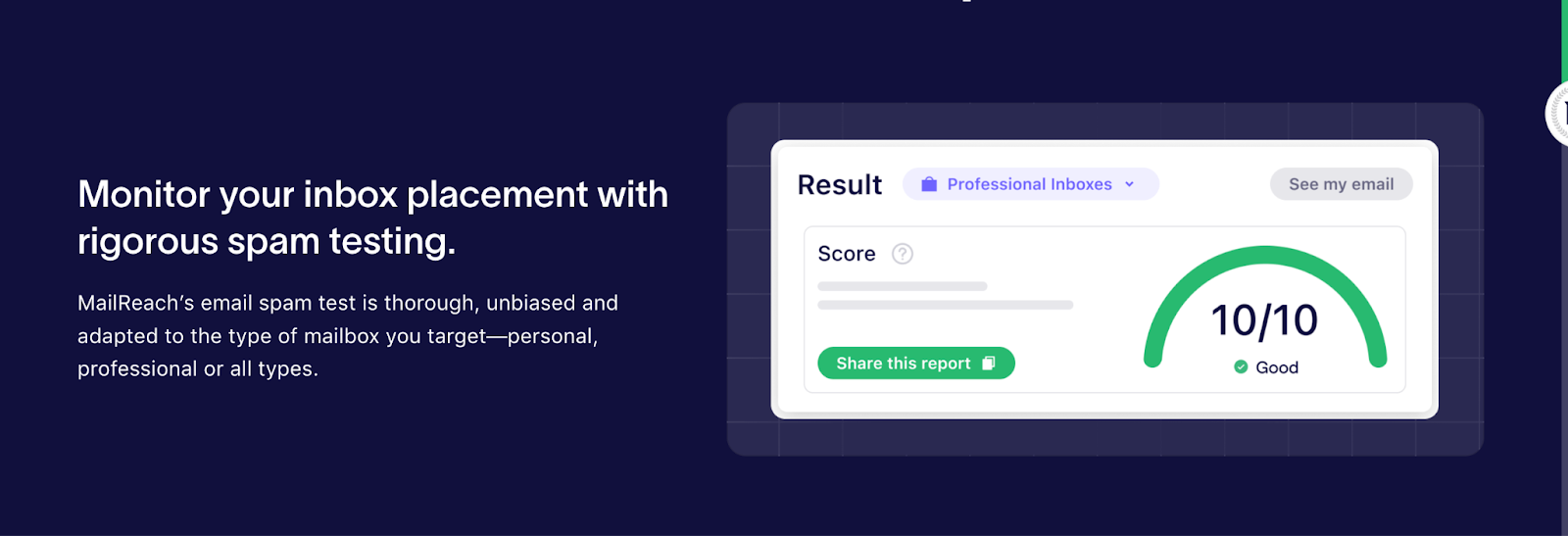
MailReach schließt diese Lücke mit E-Mail-Spam-Tests (Posteingang vs. Werbung vs. Spam), damit du Platzierungsverschiebungen erkennst, bevor sie sich als „Antwortraten sind gesunken“ oder „alles stagniert“ bemerkbar machen.
MailReach Spam-Tests zeigen dir, wo deine E-Mails in professionellen Posteingängen landen.
Das ist der Unterschied zwischen Deliverability als Hoffnung und Deliverability als etwas, das du wirklich überprüfen kannst.
Laufendes Monitoring und Diagnose auf Posteingangsebene
Deliverability bricht selten auf einmal zusammen, aber sie kann plötzlich einbrechen, wenn sich Reputationssignale ändern.
MailReach bietet dir Monitoring auf Posteingangsebene, damit du eine Verschlechterung der Reputation frühzeitig erkennst und gegensteuern kannst, bevor eine ganze Sequenz stirbt. Anstatt zu raten, ob das Problem am Inhalt, der Listenqualität, der Domain-Gesundheit oder dem Provider-Verhalten liegt, bekommst du klarere Signale, was sich ändert.
Das Ergebnis ist einfach: Du durchläufst keine Volumenstufen. Du baust echtes Inbox-Vertrauen auf und hältst es aufrecht, während du skalierst.
GoHighLevel Outreach mit MailReach Deliverability skalieren
GoHighLevel ist stark in der Kampagnen-Orchestrierung. Es wurde entwickelt, um dir zu helfen, Workflows auszuführen, Leads zu verwalten und Outbound ohne manuellen Aufwand am Laufen zu halten. Aber Orchestrierung ist nicht dasselbe wie Sender-Vertrauen.
Sein integriertes Warmup macht eine Sache gut: Es hilft dir, rücksichtslose Volumen-Spitzen zu vermeiden, indem es das Tempo vorgibt, wie schnell eine Domain hochfährt. Das ist nützlich, aber nicht genug.
Aber wenn es um B2B-Outreach geht, brauchst du Vertrauenssignale, auf die Inbox-Provider reagieren, eine klare Sichtbarkeit der Inbox-Platzierung und ein Monitoring, das Deliverability-Verschiebungen über mehrere Posteingänge hinweg kennzeichnet.
Ohne das sinkt die Performance, bevor du eine klare Warnung innerhalb der Plattform erhältst. Und wenn du schon einmal eine Post-Warmup-Stagnation erlebt oder eine Domain verbrannt hast, weißt du bereits, wie teuer dieses „stille Versagen“ sein kann.
Nutze GoHighLevel für das, was es am besten kann: deine Sales-Prozesse oder Kunden-Workflows zu steuern.
Lege dann MailReach darunter, um die Sender-Reputation aufzubauen und zu schützen, die Engagement-Signale zu simulieren, die das Inbox-Vertrauen unterstützen, und die Inbox-Ergebnisse zu überwachen, damit du frühzeitig gegensteuern kannst.
Probleme mit der Zustellbarkeit sind teuer. Behebe sie schnell.
Jede E-Mail im Spam bedeutet einen potenziellen Kunden weniger. Beginne noch heute mit der Verbesserung deiner Inbox-Platzierung mit MailReach Spam Testing und Warmup.
Frühlings-Sale: Erhalte 20% RABATT für die ersten 30 Tage des Warmups deiner ersten Mailbox – Jetzt starten 🎉
Nur für B2B Cold Outreach
Deine E-Mails können kein Wachstum fördern, wenn sie niemand sieht.
Egal, ob du Cold Outreach betreibst oder Leads nachverfolgst, ein ordentliches Warmup stellt sicher, dass deine E-Mails gesehen werden. Sorge dafür, dass deine besten Kampagnen nicht verschwendet werden.
Stelle sicher, dass deine E-Mails den Posteingang erreichen.
Eine Blacklist allein wird nicht immer deine Deliverability ruinieren, aber es ist es wert, sie zu überprüfen. Scanne nach Problemen, führe einen Spam-Test durch und erhalte klare nächste Schritte.
Deine B2B Cold Emails verdienen eine großartige Deliverability.
Es reicht nicht, sich an die Regeln zu halten – wisse, wo deine E-Mails landen und was sie zurückhält. Überprüfe deinen Spam-Score mit unserem kostenlosen Test und verbessere die Deliverability mit MailReach Warmup.
Verpasse keine Umsätze mehr wegen schlechter Deliverability!
Eine schlechte Domain-Einrichtung oder E-Mail-Probleme könnten dich aus den Posteingängen fernhalten. Teste deine E-Mail-Integrität und behebe sie in wenigen Minuten.
Ohne das richtige Warmup sind deine besten Kampagnen nutzlos. Du kannst damit beginnen, zuerst deine Inbox-Platzierung zu testen und noch heute mit der Verbesserung beginnen.
Halten Blacklists deine E-Mails aus dem Posteingang fern?
Nur weil du gelistet bist, heißt das nicht, dass deine Deliverability zum Scheitern verurteilt ist. Führe einen Spam-Test durch, um zu sehen, ob deine E-Mails tatsächlich ankommen – oder blockiert werden.
Denkst du, dein Cold Outreach funktioniert nicht? Lass es uns überprüfen.
Großartige E-Mails brauchen großartige Deliverability. Teste jetzt deine Platzierung und stelle sicher, dass deine E-Mails dort ankommen, wo sie sollen.
In diesem kurzen Artikel erfährst du, warum du ein E-Mail-Konto, das E-Mail-Kampagnen versendet, weiterhin warmhalten solltest, um die besten E-Mail-Ergebnisse zu erzielen.

 Email Warmup




.webp)